23.07.2026
How to Size a Range Hood for Your Kitchen Design
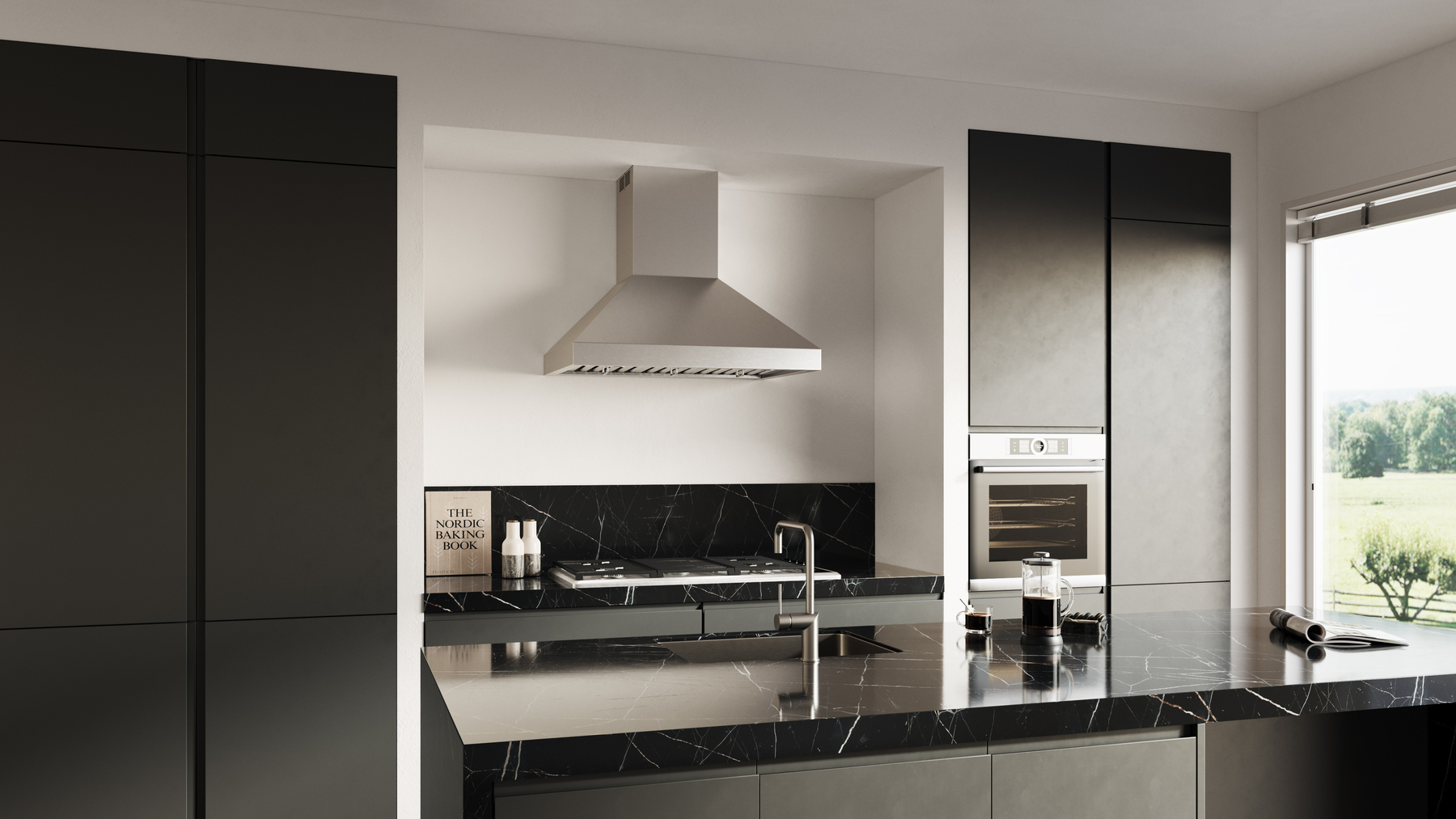
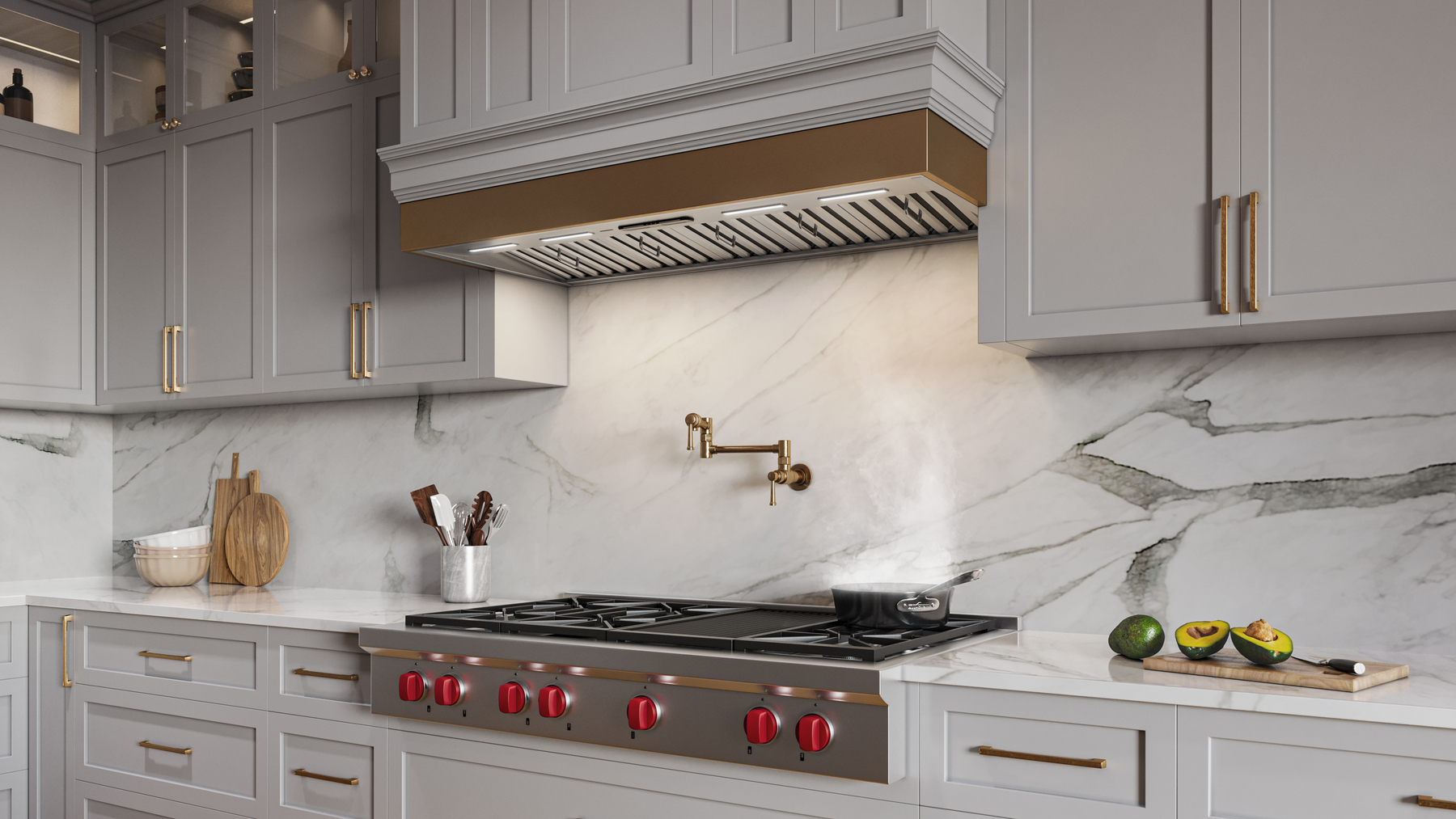
Selecting a premium range hood involves more than finding a design you love. Proper sizing, placement, and installation are essential to achieving the performance your kitchen deserves.
Whether you're planning a custom kitchen, remodeling an existing space, or replacing an older hood, understanding these design considerations early can help prevent costly modifications while ensuring your ventilation system delivers optimal results.
Why Should You Plan Your Range Hood Before Finalizing Cabinetry?
A range hood is often one of the focal points of a kitchen, particularly in designs featuring custom cabinetry, shelving, tile, or decorative wall treatments.
Before permanently installing surrounding finishes, it's important to have the actual range hood available whenever possible.
Although published dimensions are highly accurate, manufacturing tolerances are a normal part of production. Confirming measurements with the product itself helps ensure proper alignment with surrounding cabinetry and architectural details while reducing the risk of adjustments during installation.
Planning ahead also gives designers and installers greater flexibility when coordinating electrical connections, ductwork, cabinetry, and decorative finishes.
How Wide Should a Range Hood Be?
As a general guideline, the range hood should be at least as wide as the cooking surface.
For effective smoke capture, the hood should cover:
- 100% of the back burners
- At least 50% of the front burners
Many homeowners choose a hood that is wider than the cooktop to improve capture performance, particularly for high-output cooking appliances.
In some jurisdictions, local building codes require the hood to extend 6 inches beyond the cooking surface. Always verify local code requirements before installation.
A larger capture area can also help contain rising smoke, steam, grease, and cooking vapors before they have an opportunity to spread throughout the kitchen.
Is It Better for a Range Hood to Be Wider Than the Cooktop?
In many applications, yes.
A wider hood increases the capture area, making it easier to contain cooking byproducts before they escape into the room.
This can be particularly beneficial for:
- Professional-style ranges
- High-BTU gas cooktops
- Frequent high-heat cooking
- Island installations
- Kitchens with open-concept layouts
While a hood should never be smaller than the cooking surface, selecting a wider model often improves real-world ventilation performance.
What Is the Correct Installation Height for a Range Hood?
Every range hood has a manufacturer-recommended installation height above the cooking surface.
This recommended range balances three important factors:
- Safety
- Ventilation performance
- Cooking accessibility
For the best capture performance, install the hood at the lowest recommended height specified by the manufacturer.
This lower limit represents the minimum distance that has been tested for safe operation.
The upper limit identifies the maximum recommended height where satisfactory smoke and grease capture can still be achieved.
What Happens If a Range Hood Is Installed Too Low?
Installing a range hood below the manufacturer's minimum recommended height is not recommended.
Doing so may:
- Create safety concerns
- Expose the hood to excessive heat
- Risk damage to the appliance
- Result in installation issues during inspection where applicable
Always follow the installation instructions supplied with the product.
What Happens If a Range Hood Is Installed Too High?
A hood installed above the recommended height remains safe to operate, but its ability to capture smoke and cooking vapors may decrease.
As smoke rises, it spreads outward before reaching the hood. Increasing the distance between the cooktop and the hood gives contaminants more opportunity to escape into the kitchen.
When installation above the recommended height is necessary, a common guideline is to:
- Increase airflow by approximately 100 CFM for every additional 3 inches above the recommended installation height.
- Consider selecting a wider hood that extends approximately 6 inches beyond the cooktop to improve capture.
These adjustments help compensate for the increased distance between the cooking surface and the ventilation system.
How Can Flexible Blower Controls Help Meet Local Requirements?
Kitchen ventilation requirements can vary depending on local building codes and make-up air regulations.
Some premium BEST range hoods include Code Ready Technology (CRT), which allows installers to limit the maximum blower speed during installation.
This provides additional flexibility by allowing the ventilation system to be configured for local code requirements without compromising the overall design of the kitchen.
Depending on the installation, blower speed adjustments may also help satisfy make-up air requirements while maintaining effective ventilation performance.
Why Does Proper Planning Matter?
The most effective kitchen ventilation systems are carefully planned before installation begins.
Considering hood size, installation height, cabinetry, duct routing, and local code requirements early in the design process helps avoid unnecessary modifications later while allowing the ventilation system to perform as intended.
For homeowners investing in a premium kitchen, these planning decisions contribute to better airflow, quieter operation, cleaner indoor air, and a more enjoyable cooking experience for years to come.
Frequently Asked Questions
Should a range hood be the same width as the cooktop?
At a minimum, yes. A range hood should be at least as wide as the cooking surface to provide adequate coverage. In many kitchens, a wider hood delivers even better smoke and grease capture.
Is it okay if my range hood is wider than my stove?
Yes. A wider range hood often improves capture performance by collecting smoke and cooking vapors before they spread throughout the room.
How high should a range hood be installed?
Every model has a manufacturer-recommended installation height. For the best ventilation performance, install the hood at the lowest recommended height while remaining within the approved installation range.
What happens if a range hood is installed too high?
Installing a hood above the recommended height can reduce its ability to capture smoke, steam, and grease. Increasing airflow and selecting a wider hood can help compensate when greater installation heights are necessary.
Why should I wait to install cabinetry until I have the range hood?
Having the actual product on-site allows installers and designers to verify dimensions and positioning before surrounding cabinetry, tile, or shelving is permanently installed.
What is Code Ready Technology (CRT)?
Code Ready Technology (CRT) is a feature available on select BEST range hoods that allows installers to limit the maximum blower speed during installation. This added flexibility can help address local code requirements and make-up air regulations while preserving the intended design of the kitchen.